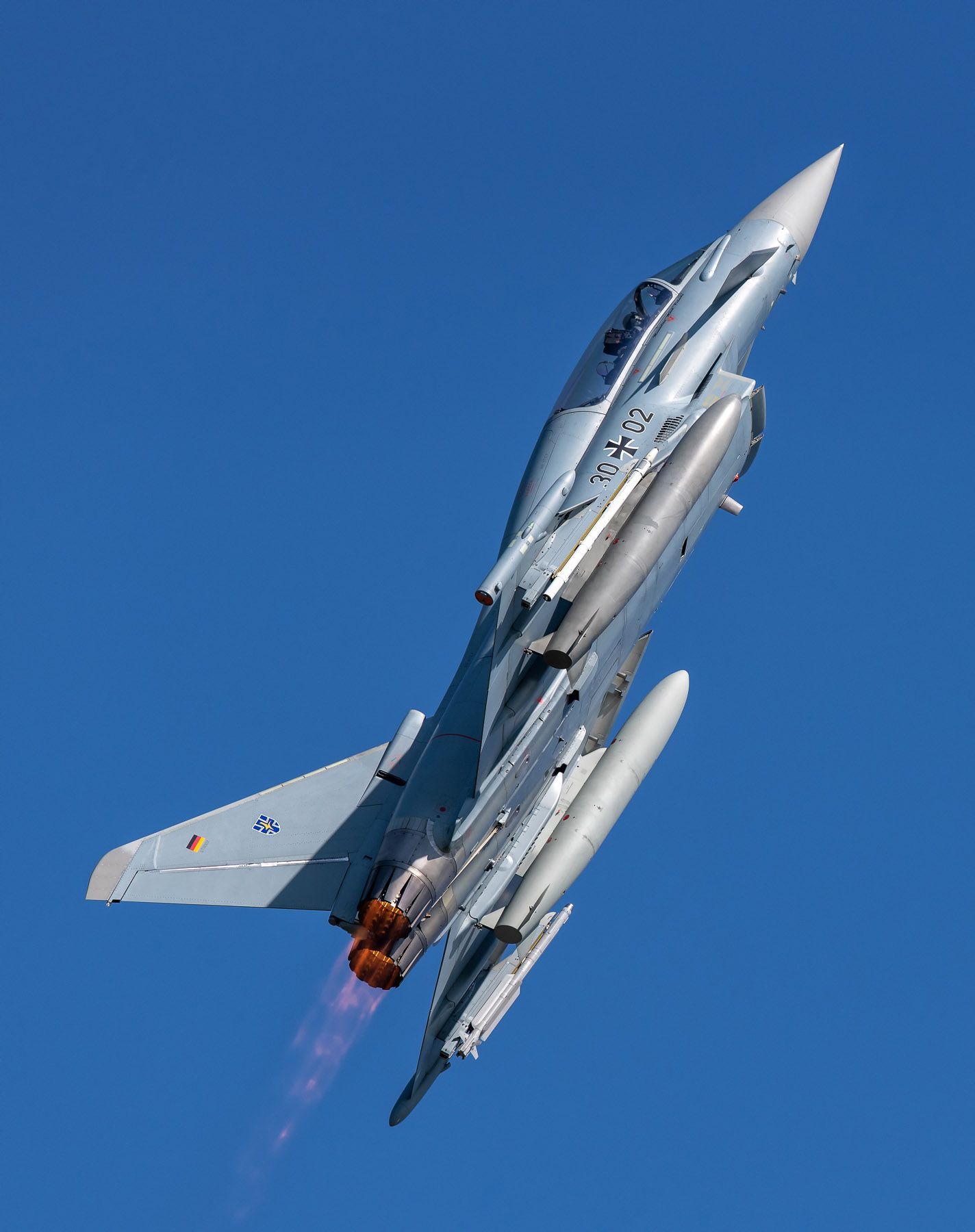
Eurofighter in service with Germany's Luftwaffe
Part 2: Systems and weapons
A plane is a plane. What makes Eurofighter an outstanding platform, are its various systems. All performing their designed and dedicated tasks, and all highly automated and integrated in such a way that the pilot can complete his/her mission in the most ergonomic and efficient ways possible. And yes, of course a good training system for these pilots, along with proper technical support at various levels, are all key to operate the aircraft successfully. But let’s focus here on a number of Eurofighter’s features.
Due to both adequate weapon availability and sufficient processing power to simultaneously support missile in-flight updates and bomb in-flight targeting, it is truly a swing-role combat aircraft (this sentence sounds like a commercial, maybe because it was picked literally from the Eurofighter website). The airframe built from stealth materials and fitted with the latest sensors and weapon systems delivers optimum combat capability, both beyond visual range and in close combat. Let’s have a close look at some various aspects.
Text: Emiel Sloot
Photos: Emiel Sloot (unless stated otherwise)
Last updated: 5 August 2026
Flight control
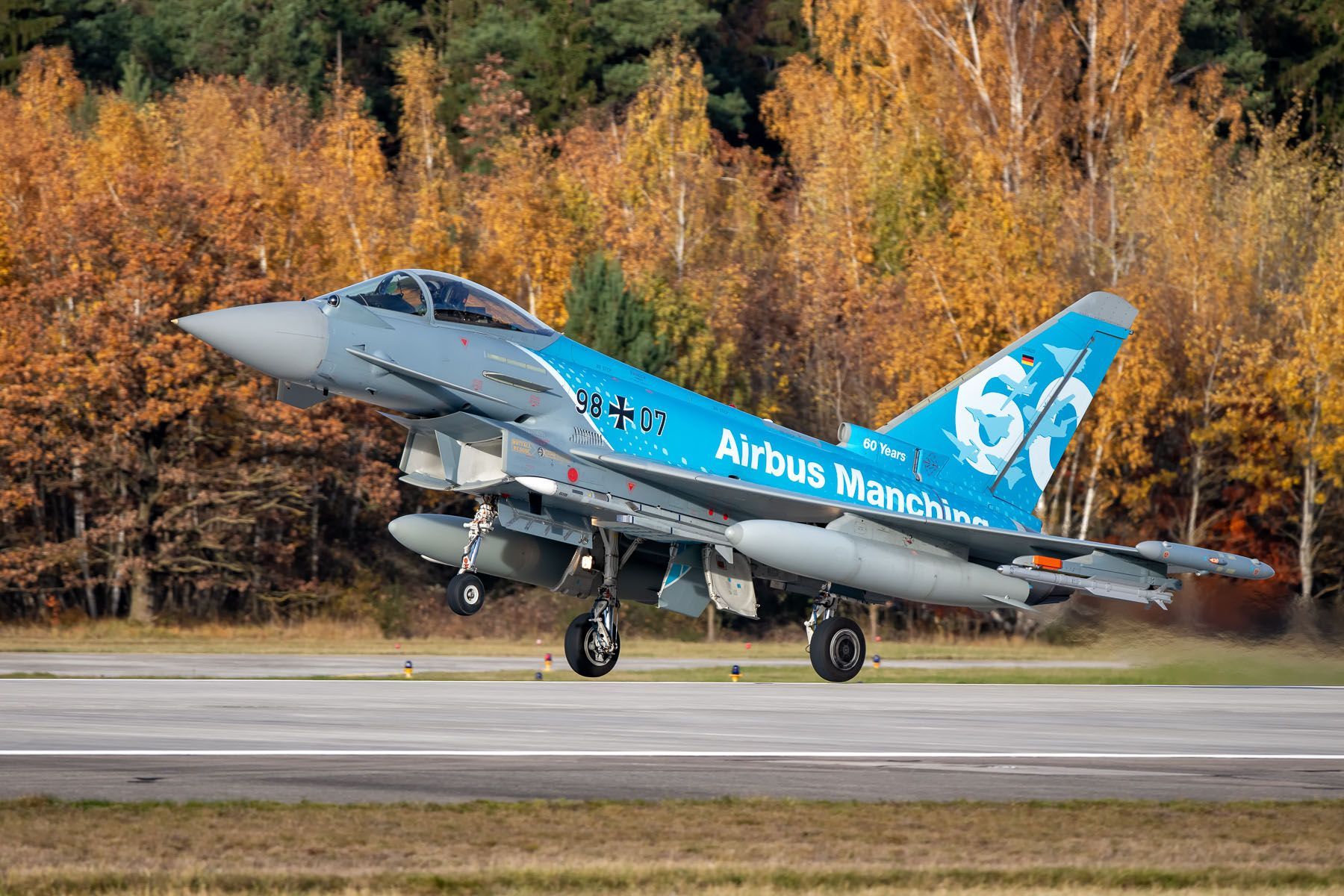
As mentioned in the first part of this report, the development of the flight control software was done with great care and accuracy, also to prevent accidents in the early test phase like those encountered by for example the Saab Gripen prototype. Certain capabilities were released step-by-step during various phases of the development process, until a safe and proven software version was available. This would eventually provide full carefree handling throughout the full flight envelope for various external stores setups. Carefree handling specifically means that the Eurofighter pilot is free to do whatever he/she wants to do regarding stick, rudder and throttles inputs, as the flight control system will do whatever is commanded but simultaneously guarding the limitations of both the flight envelope and airframe structure.
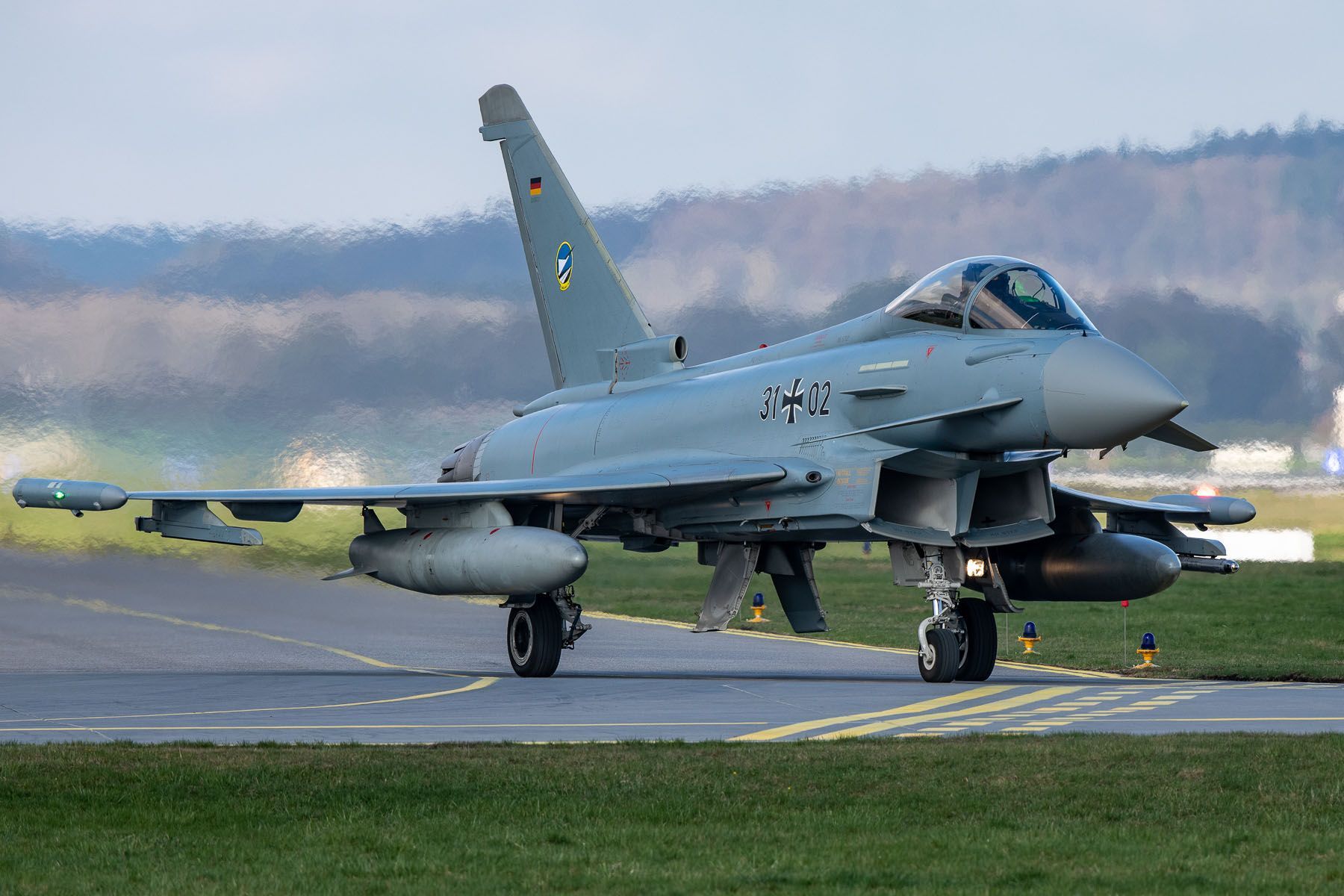
The primary flight controls consist of trailing-edge flaperons (in two parts, splitting at higher airspeeds). These control surfaces perform the same functions as ailerons, elevators and flaps do on conventional aircraft. The canard fore-planes which both move simultaneously assist in pitch control, while the rudder supplies yaw control. Secondary flight controls consist of leading edge flaps and a large airbrake on top of the aircraft. Nose wheel steering and adjusting the lower part of the air intake cowling are additional secondary flight control functions.
Eurofighter has four separate Flight Control Computers (FCCs) making it very redundant. Only if all four fail, the aircraft becomes uncontrollable.
On 29 October 2014, IPA 7 (serialled 98+07) first flew with apex strakes and new delta fuselage strakes. These were removed again in March 2016 as the ‘GEF/Zulassung’ was only temporary.
Cockpit
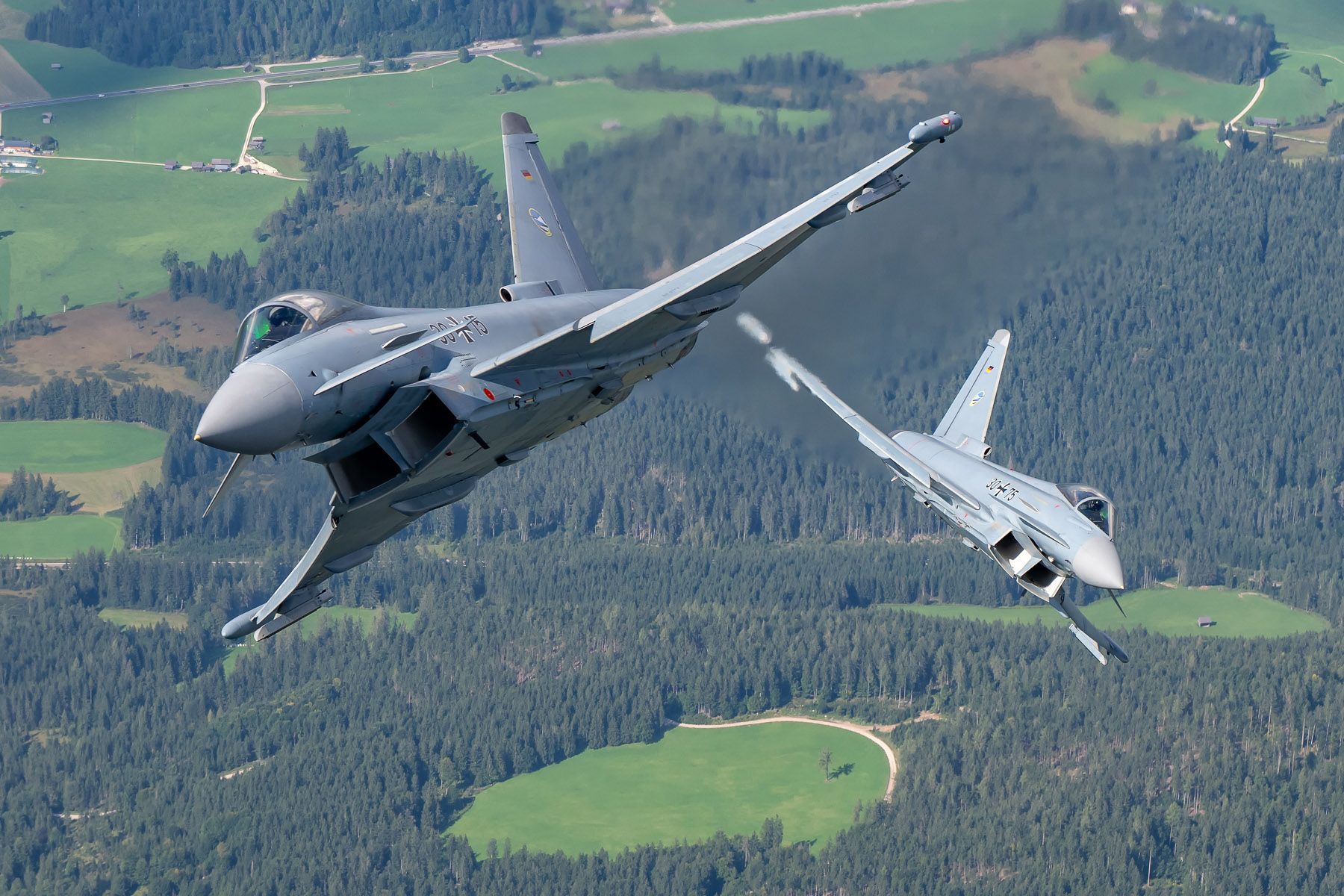
Three identical Multi-Function Head-Down Displays supply flight and tactical information to the pilot, augmented by a Head-Up Display (HUD), and of course the helmet integral display. Soft-keys surrounding the screens as well as various buttons on the stick and thrust levers enable various inputs. A Direct Voice Input/Output system also allows for a number of commands, further easing system operation and therefore releasing ‘bits’ for the pilot to enhance the tactical situational awareness. Together with the input buttons on the flight control stick and thrust lever, this is what Eurofighter calls the VTAS (Voice, Throttle and Stick) control concept.
Presentation of data is done smart, to prevent information overload for the pilot. The display suite is usually configured manually according to pilot preference, with automatic format selection in response to a limited number of events where the required formats can be readily predicted according to the phase of flight. System failures and warnings are recorded for post-flight action by ground crews, and only displayed if deemed necessary for the mission or flight phase.
The various digital avionic system components are connected via electrical hard-wired data-buses according MIL-STD-1553 standard, as well as fibre-optic data-buses specified under NATO’s STANAG 3910 protocol.
The dual-seat aircraft have a HUD repeater for the rear pilot. This is basically a video system, as the front pilot’s seat would be in the way for a clear view through a dedicated HUD.
During mid-2009, some issues had occurred involving an in-flight screen failure. This forced the Luftwaffe to allow only experienced pilots to continue flying during daylight conditions until a fix was in place. Soon after, a software update apparently solved the problem.
The aircraft’s avionics system includes a Multi-Mode Receiver that provides DME, ILS and MLS. The strakes house VOR and GP antennas.
Oxygen for the pilot is provided by the ECS/MSOC system. This provides both oxygen for the pilot and nitrogen for system cooling, both by bleed air extraction. A 220-litre O2 bottle is available for emergency purposes.
In case everything fails and the pilot has to leave the building, a Martin-Baker Mk 16A seat is installed allowing for ‘zero-zero’ ejection. Following a crash with a Spanish Eurofighter on 24 August 2010, Eurofighters were temporarily grounded. It appeared that in certain scenarios, the parachute could detach from the pilot following ejection. That issue was apparently solved soon after the flight ban was put in place, as it was lifted already a few dates later.
Striker helmet
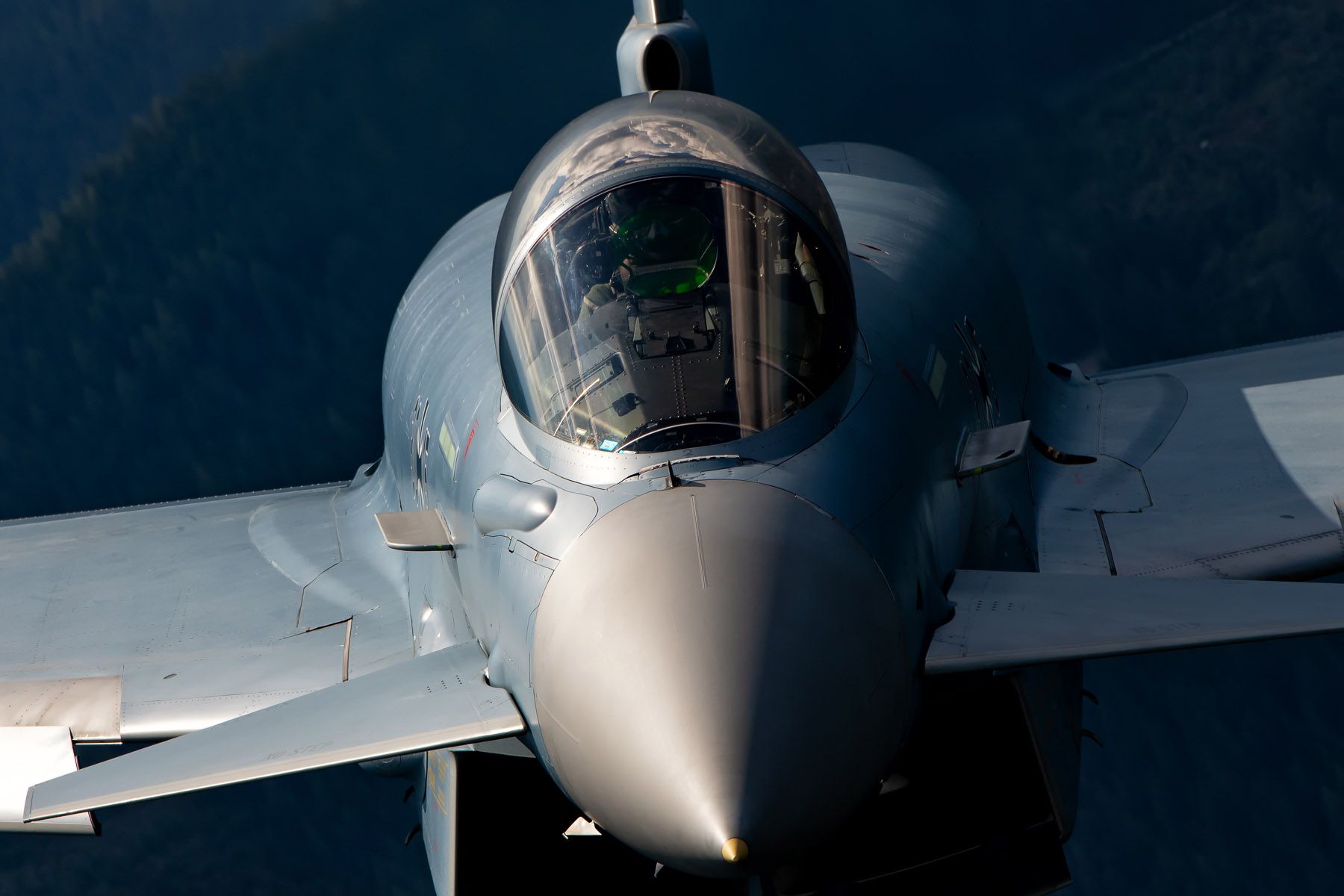
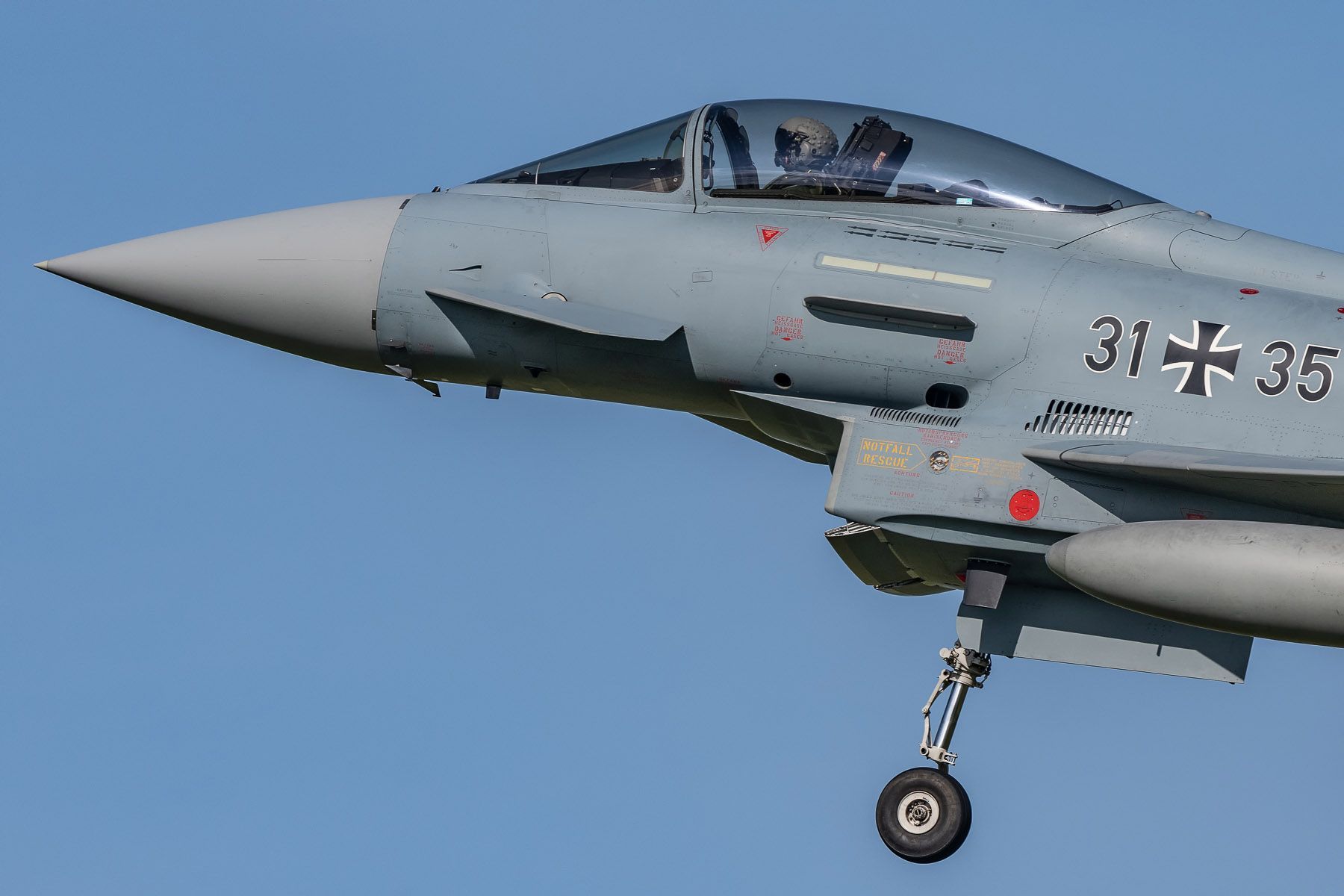
While the helmet’s main purpose is of course protection of the pilot’s upper end, it has evaluated into a key asset of today’s combat aircraft. Eurofighter’s Striker data helmet features a display system for navigation and target data, and of course has night vision capability. The presented data is removed when the pilot looks through the HUD to prevent to see ‘double’. This also occurs when the pilot looks inside the cockpit to avoid a cluttered view. The inner helm also houses the oxygen mask and the DVI interface.
On the outside, prominent bumps are fitted. These contain LEDs that allow sensors placed around the cockpit to accurately track the pilot’s head position and angle, the so-called Head Tracking System. The whole helmet weighs some 2.3kg.
Before approval for operational use, the Royal Air Force’s 17(R) Squadron evaluated the system first from 2009. It was expected that the helmets would become available to the operational units in the 3rd quarter of 2010, but the Luftwaffe Geschwaders did not receive these until late 2011. Jagdbombergeschwader 31 at Nörvenich was the first unit to adopt Striker I helmets.
An order for an additional batch of new Striker II helmets – including development and integration – was approved in the German Bundestag on 13 November 2024 in an order worth €63 Million. These will replace the Striker I helmets, and delivery is expected to commence in 2027.
DASS
As for the other key systems in Eurofighter, a consortium was created to develop the aircraft’s Defensive Aid Sub-System (DASS). Since DASS was an optional feature initially and selected only by the UK and Italy, both GEC Marconi Aviations (later BAe, then Selex) and Firma Elettronica formed EURODASS. The system contract was signed on 13 March 1992. The consortium was expanded in 1995 with Indra from Spain. Germany had withdrawn earlier from DASS to cut costs, but eventually reversed their decision in December 1999, with EADS joining the party in 2001.
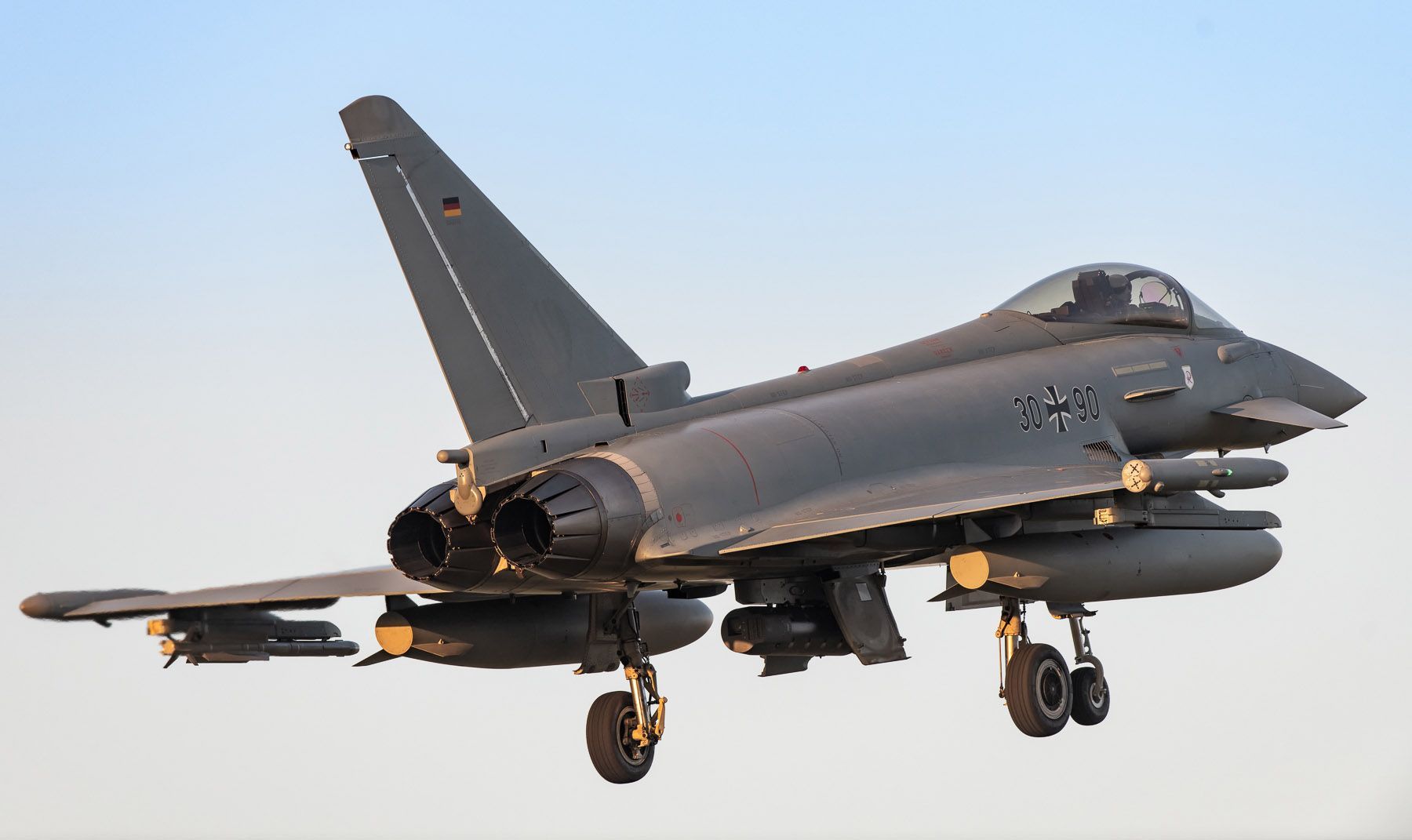
DASS is a modular, fully automated and integrated system that intercepts, analyses and identifies enemy electronic emissions as well as missile and laser threats, and subsequently prioritise these. This is done by various wideband ESM (electronic support measures)/RWR (radar warning receiver) sensors, in antennas and both wingtip pods. MAW (missile approach warning) sensors are fitted on the inboard leading edges and on the lower tail, just above the drag-chute housing. The protective coverage is 360 degrees.
The missile approach warning system uses a pulse-doppler radar to detect both ground- and air-launched missiles, and automatically triggers countermeasures. Chaff dispensers are integrated into the aft of the outer underwing weapon pylons; flares are stowed in the flap track fairings. While the port wingtip pod contains active ECM equipment, the starboard wing pod can hold two towed Sky Buzzer radar decoys that have been cleared for use throughout the whole flight envelope. Generally, these are not installed for day-to-day operations, but can be carried if needed. Only a number of older Block 5 (delivered in Tranche 1) aircraft lack this possibility, identifiable by the red covers on the aft starboard pod. Also, the dual-seat Block 5 aircraft lack the rear missile warning sensor, as do the older single-seaters (up to 30+18) as well as the three oldest Tranche 2 aircraft (31+14/16).
Laser warning receivers are also available for the DASS system, however the Luftwaffe Eurofighters lack this option.
MIDS
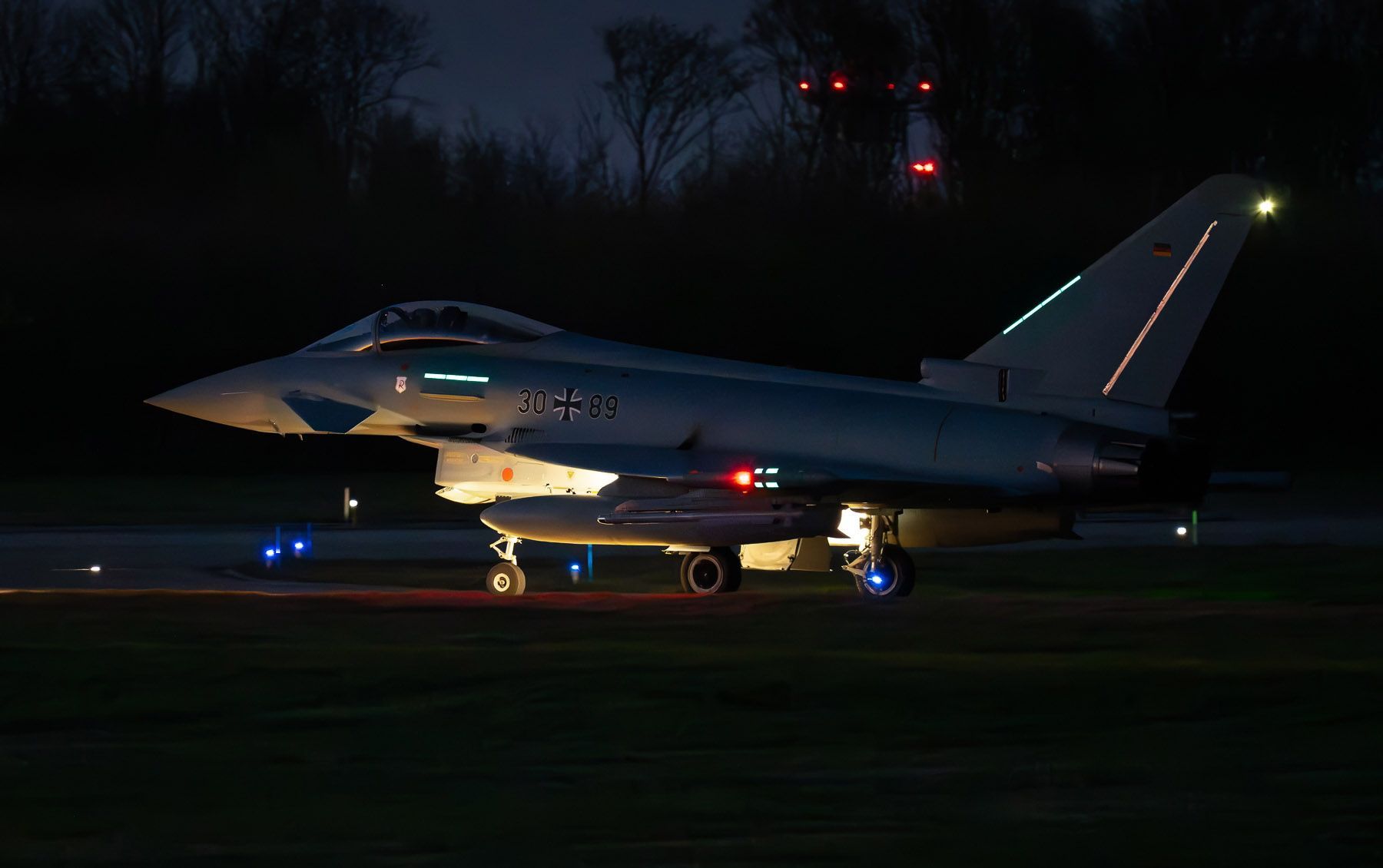
The Link 16 Multifunctional Information Distribution System (MIDS) allows pilots to securely exchange real-time data between a wide variety of users including air, land and naval forces. It is high speed, high capacity, secure and jam resistant while able to share and receive information from other users in their network.
Between Eurofighters, radar and DASS data can be shared. For example, via MIDS pilots can dedicate targets to either themselves or to other nearby users such as formation members. In other words, the aircraft acts like a sensor platform within a broad strike or defence formation, much like modern 5th generation aircraft like the F-35 does.
Germany seemed to have ordered MIDS-LVT for their Eurofighters in December 1999.
Radar
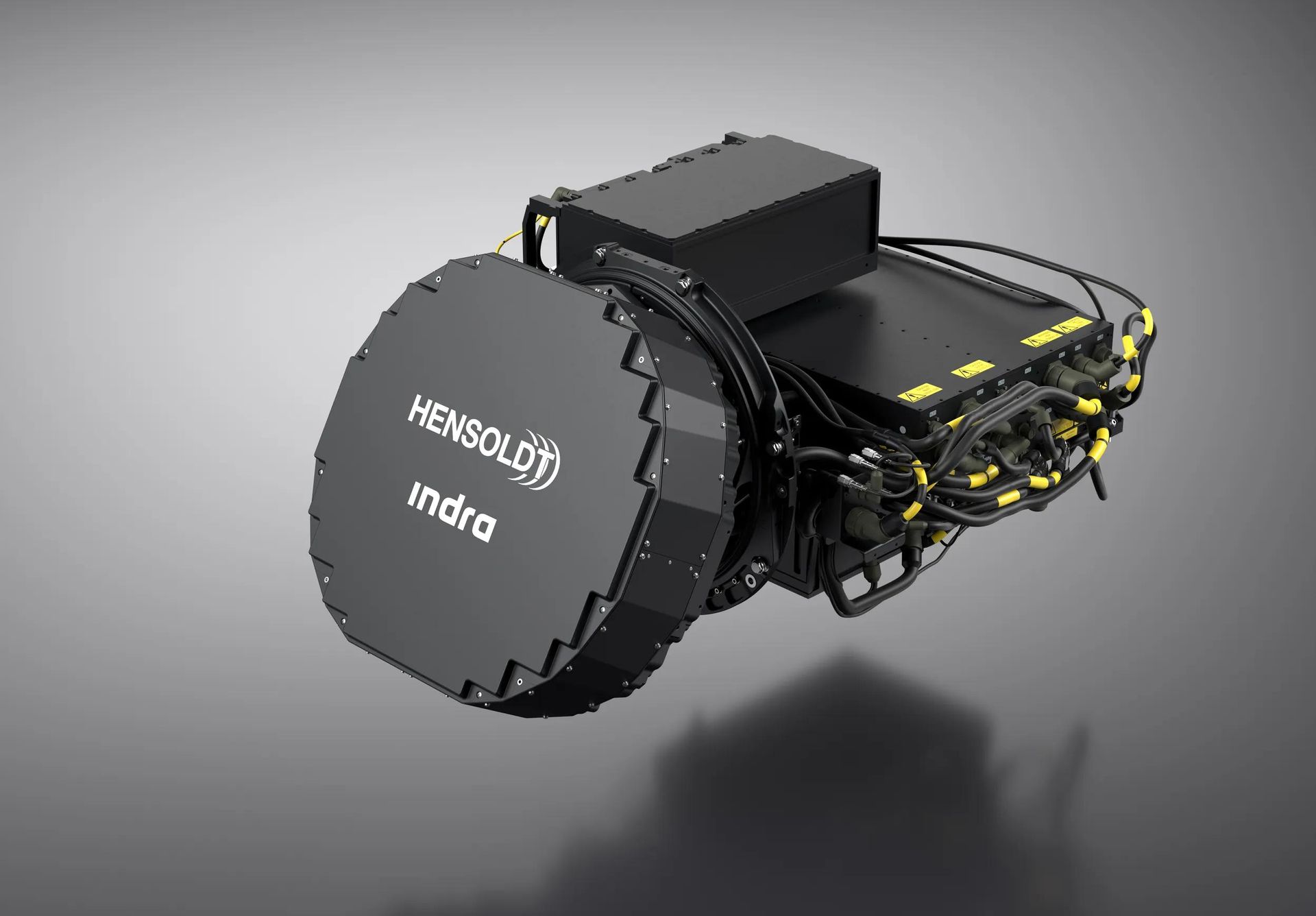
One could easily write a book on Eurofighter’s radar that has been the subject of a lengthly development trajectory. The Luftwaffe examples are currently equipped with the Captor-M pulse-doppler radar, to be replaced by the Captor-E ECRS (Eurofighter Common Radar System) Mk1 that will be fitted into aircraft bought in Tranches 4 and 5, and retrofitted into airframes delivered in Tranches 2 and 3. Let’s dive into its history.
To fit Eurofighter with a modern and capable radar called European Collaborative Radar 90, in short ECR 90, the Euroradar consortium was established. This organisation consisted of Selex (UK), DASA (Germany), Galileo Avionica (Italy) & Indra (Spain). Instead of designing a completely new radar which would be both very expensive and time consuming thus causing more delays to the programme, it was decided to take Ferranti’s Blue Vixen as basis. This radar was then in use with the Royal Navy Sea Harrier FA.Mk 2, and eventually the ECR 90 would share a lot of commonality with Blue Vixen. ECR 90 would offer both long-range air-to-air and air-to-ground modes with automated threat identification and prioritisation, while highly resistant to electronic jamming. Ground mapping and terrain avoidance functions would also be available. The first ECR 90A was first tested on 8 January 1993 while fitted into the nose of a BAC 1-11.
In line with the aircraft’s other systems, the radar became fully integrated with the cockpit display and weapons systems. As electronically scanned phased-array antennas were still in their early days at the time ECR 90 was developed, a more conventional slotted planar array antenna was used instead.
DA5 (98+30) became one of the aircraft involved in a trials programme for ECR 90. Serial production of the new radar had started in 1998, and the development phase was concluded in 1999. In 2000, ECR 90 was renamed Captor. Production aircraft received the Captor-M multi-mode radar with a lightweight, moveable antenna, active in the X-band (8-12 GHz). Captor also incorporates IFF coupled with an advanced Mode S transponder. In three separate channels, the radar can detect targets, track these, plus evaluate and suppress jamming signals. It is reportedly very jam-resistant. Targets are labeled such that the ones with the highest priority will be engaged first.
From Block 5 aircraft, air-to-ground modes including ground mapping capability were added to the radar, giving an accurate image for navigation and targeting. It also featured a terrain-avoidance mode.
The ultimate goal was to equip Eurofighter with an E-scan radar as this offers many advantages compared to ‘classic’ radar systems. It can work in a number of modes simultaneously, in wide angles. It also has lesser moving components, so theoretically less prone to failures.
In February 2002, Euroradar launched CAESAR (Captor AESA Radar) and on 8 May 2007, DA5 (98+30) flew trials with the new radar antenna, mounted onto a standard Captor system. The new antenna was initially the primary focus along with some modules. This Captor E version was planned to be incorporated during the Phase 2 Enhancement upgrade programme, but delays eventually prevented this.
According to the Bundeswehrplan 2009 published on 10 June 2008, their Eurofighters would receive Captor-E radars from 2012. These should have a 50 percent range increase over Captor-M.
A study involving the installation of the new AESA radar was completed in March 2010. This covered the repositioning of the antenna for greater coverage, and this new setup should become available for Tranche 3B (that eventually was never ordered), and as retrofit for the rest of the fleet except for the older Block 5 ones.
On 17 July 2010, Euroradar offered the AESA radar for Eurofighter for both future Eurofighters and as a retrofit. In a press release issued three days later, Euroradar stated that the AESA radar would become available in 2015, referring to the radar as CAPTOR-E WFoR. It now featured a moving swash-plate design driving the radar antenna, as tests had showed that a fixed one suffered from performance degradation at angles greater than 60 degrees.
Because the new radar would not be ready in time for the aircraft ordered in Tranche 3A, SELEX Galileo was awarded a contract worth €242 million on 5 October 2010 for 88 Captor-M radars for these additional Eurofighters. This acquisition excluded the aircraft destined for the Royal Air Force.
Test flights with the new AESA radar should now start by late 2013/early 2014 in both the UK and Germany. IPA8 (98+08), Germany’s first Tranche 3A aircraft, was assigned to test the new radar, although it would not be before November 2016 that IPA8 would actually be added to the programme. The Captor-E development programme for the four partner nations was signed between NETMA and Eurofighter on 19 November 2014. Meanwhile, various versions of the radar system were being developed. While the UK and Italy were destined to receive the ‘full’ version 2, Germany would now only pursue an AESA version 1+ connected to the Multi-Channel Receiver that had the full air-to-air but limited air-to-ground capability. Basically, the Tranche 3A aircraft should be able to quickly adopt the new radar, with the Tranche 2 aircraft required a bit more work.
Finally, on 8 July 2016, UK’s IPA5 (ZJ700) first flew with the Captor-E AESA radar. But despite this milestone, more delays had appeared on the horizon. A day before IPA5’s test flight, the first so-called Änderungsvertrag (amendment contract) was signed in which was agreed that the development phase would be completed on 19 May 2021.
In September 2017, the industry was asked by tender to further develop a multi-channel receiver (MCR) for the radar to be used by the four partner nations. The offer should be submitted by mid-2019 which would allow integration of AESA to start in 2022, at least for the Luftwaffe. However, in April 2018 the German Defence Ministry announced that the development of the Captor-E radar had been delayed by 13 months. While hardware development was completed in June 2018 (IPA8 now had the new radar installed), a report issued in June 2019 by the very same ministry mentioned even more AESA radar integration delays due to complex software development, reportedly caused partly due to a lack of resources.
Then on 17 June 2020, the German Bundestag finally announced some firm orders. Sensor company Hensoldt was tasked to develop the Eurofighter AESA radar while Airbus received a contract to integrate 115 E-Scan radars into German and Spanish Eurofighters (110 for Germany and 5 for Spain).
As Leonardo had been responsible for the AESA radar that now became known as ECRS (Eurofighter Common Radar System) Mk0, Hensoldt effectively took over the lead in view of future German and Spanish radars, aka ECRS Mk1. Leonardo would now focus on the ECRS Mk0 and Mk2, the latter destined for UK and possibly Italian Typhoons. It is noteworthy that these ECRS variants are all quite different regarding both hardware and software. For example, ECRS Mk1 specifically features a different antenna and has a completely new multi-channel receiver.
In 2021, the planning was revised in such a way that the current fleet aircraft – excluding the older ones acquired in Tranche 1 – would receive the interim, limited ECRS Mk1 Step 0, to be upgraded to Mk1 Step 1 at a later stage, from 2026. The new aircraft ordered in Tranche 4 would receive Mk1 Step 1 radars right from the factory. In 2023 it was announced that ECRS Mk1 Step 0 was supposed to be introduced with upgrade package P3Eb2 (Phase 3 Enhancement b2) which was subsequently redesignated P3Ec Step 1.
A major programme milestone was achieved in January 2025, when the testbed A320 ATRA operated by DLR at Braunschweig/Wolfsburg flew with the new radar under a contract signed early 2024. But with the new Tranche 4 aircraft in the final stages of assembly, it became clear that it would not be possible to certify and deliver the whole system in time. So it was decided to fit the first examples of this batch with the ECRS Mk1 Step 0. When the ECRS Mk1 Step 1 is ready and certified, these will be upgraded along with the rest of the fleet. The Nationales Test- und Entwicklungszentrum Eurofighter – established on 8 April 2025 at Manching – is tasked to extensively test the new radar, as soon as their new test aircraft acquired in Tranche 4 become operational.
Hopefully you are still with us after reading all these dates and details. Want to know more? Don’t worry, this paragraph will be updated and continued.
Engines and fuel
The Eurojet Turbo GmbH consortium formed by Rolls-Royce, Fiat Avio, MTU (Motoren und Turbinen-Union) and ITP (Industria de Turbo Propulsores) was responsible for the development of the EJ200 turbofan, destined to power the Eurofighter. EJ200 was based on the Rolls-Royce XG40 technology demonstrator programme, aimed at delivering some 40 percent more thrust than the RB199 that powered the tri-national Tornado.
Development initially went rather quickly, and the first EJ200 was fired up on 28 November 1988. The engine programme subsequently encountered some lag, however the overall project delays effectively cancelled that particular setback. In fact, the plan to power the initial batch of Eurofighters temporarily with RB199s could largely be put through the shredder, as only the first two development aircraft were eventually fitted with RB199s. The EJ200-03A would be the initial production standard engine, later followed by the EJ200 Mk.100 (for Tranche 1 aircraft) and Mk.101 (Tranche 2 onwards).
The EJ200 proved to be a very powerful and reliable engine, and pilots are very satisfied with these. From brakes off till Mach 1.5 at 38,000ft altitude would only take 2.5 minutes for a Eurofighter. Rated each at 13,490lb st (60.03kN) at dry power and 20,250lb (90.11kN) with afterburner, a pair of EJ200s provides Eurofighter with a very high thrust-to-weight ratio, also due to the relatively low gross weight of the aircraft. The light-weight engines allow Eurofighter to cruise at supersonic speeds without the use of reheat for extended periods.
The engines deliver 1,200 flying hours without needing scheduled maintenance through the use of an advanced integrated engine health monitoring system (EHMS). In total, the EJ200 has a lifespan of 6,000 hours. Oddly, it is reported that German Eurofighters do not have a fire extinguishing system for the engines, as only British and Italian Typhoons have this ability.
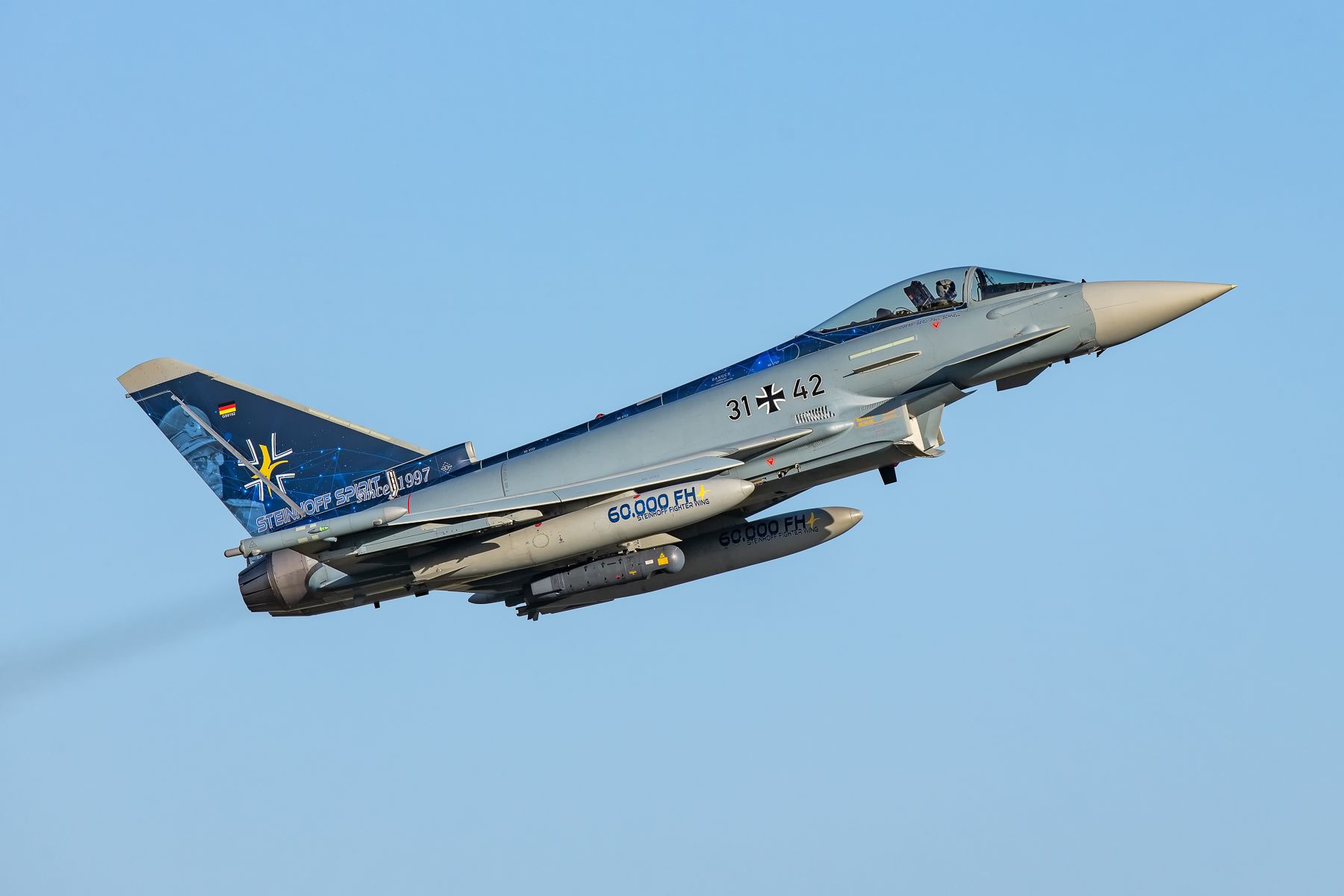
Eurofighter has a maximum fuel capacity of 7,600kg to feed the engines. The internal fuel capacity of 4,500kg can be augmented by the use of two underwing and a centreline fuel tank. During the initial days of operations, Eurofighters flew without external tanks awaiting certification. Only on 10 May 2007, the first two were spotted at Laage with a centreline fuel tank. In July 2007, the first operational sortie with three tanks was flown. The dual-seat aircraft have less fuel capacity – minus 696kg to be exact – while fully combat capable, although the Block 5 duals obviously lack some systems such as full DASS.
A retractable refuelling probe that is housed under a fairing at the starboard side of the cockpit’s windscreen is available for aerial refuelling via hose-drogue technique. Germany’s IPA3 (98+03) and IPA7 (98+07) conducted trials in October 2008 to clear the aircraft for this operation with the then Luftwaffe’s A310 MRTT fleet, with approval received late that same year. Following retirement of the A310, Eurofighter can currently refuel not only from the A330MRTT and the A400M, but also by the KC-130J. The latter occurred for the first time during Exercise Baltic Hunter at Laage in November 2025.
Noteworthy were the plans to equip Eurofighter with conformal Fuel Tanks (CFTs). These add-ons would contain 1,500 litres of fuel, and wind-tunnel tests had been conducted at BAe Warton early 2002. The extra drag was supposed to be minimal and the range would increase up to 25 percent, equal to some 970 NM (1,800 km). CFTs were intended to become a standard option from Tranche 3 onwards. However, at some point, the whole concept was stored in the archives and never became reality. During additional testing, aerodynamic issues apparently appeared and as nobody wanted to cover the risks and costs, CFTs were no longer pursued. According to the manufacturer, there are more cost effective ways to increase range of a Eurofighter.
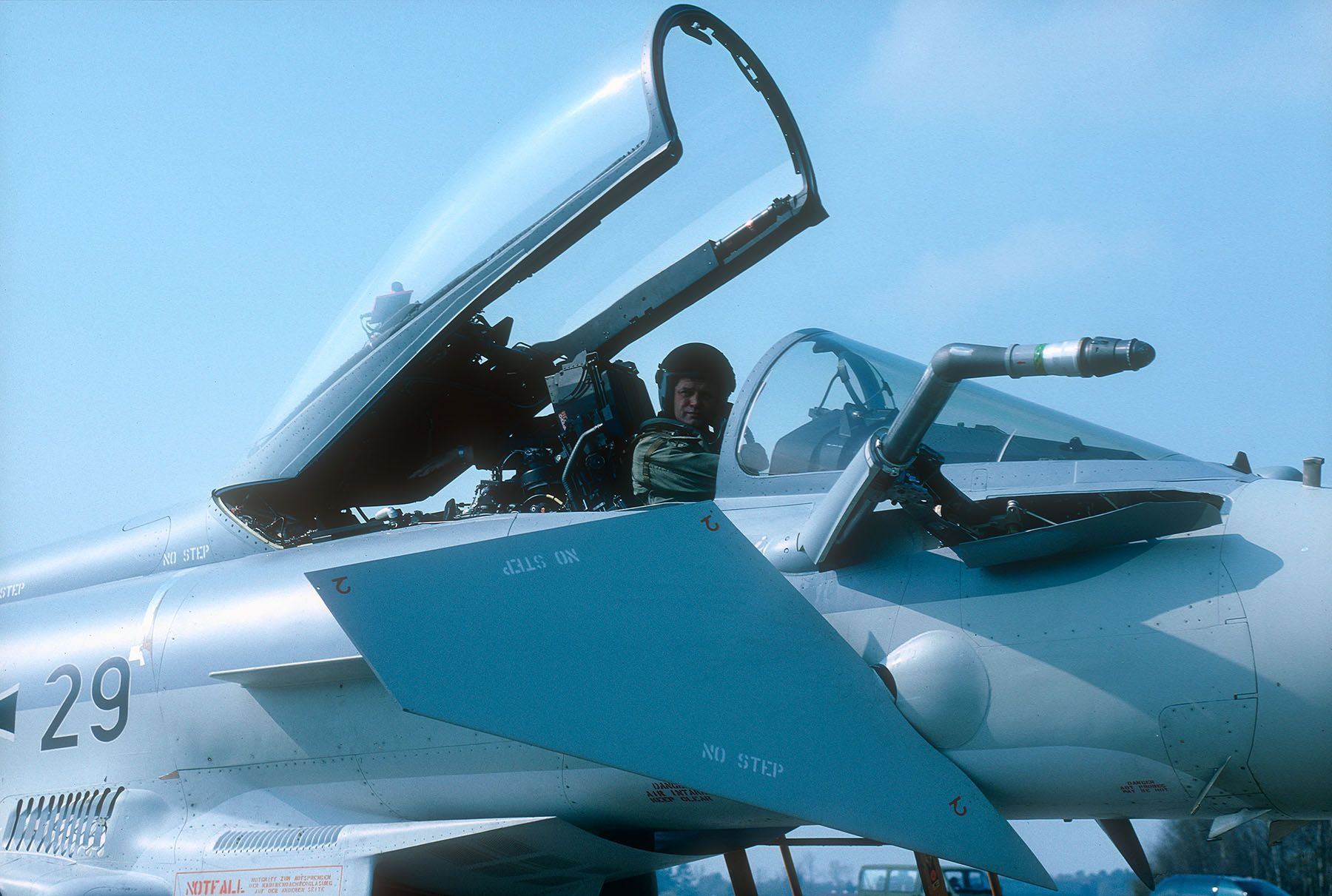
Landing gear
A reliable set of wheels is quite essential for safe operation, but there is not much to explain. A fun fact though: during closed circuit flying, the tricycle landing gear remains extended as cycling it gives more wear on the system than flying with the gear down at circuit speeds.
Nice to know: during the development phase, test aircraft only had a single landing light fitted on the left main gear. However, as ground lighting was found to be suboptimal, another light was added on the right side.
Nice to know too: the landing gear of aircraft delivered in Tranche 1 differs from that fitted to later aircraft in view of materials used, and therefore is not interchangeable.
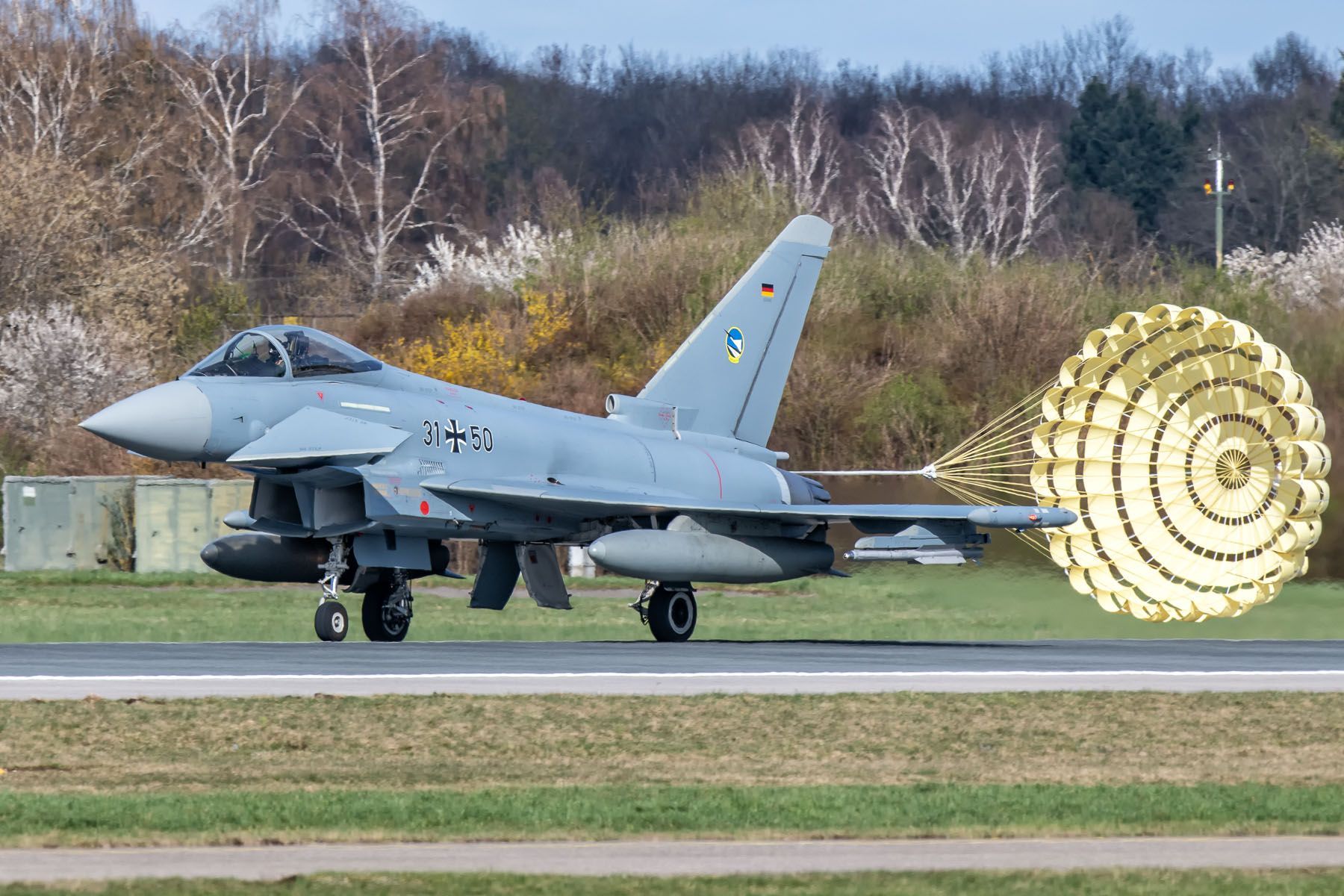
Stealth
Eurofighter’s stealth capability has always been an item of discussion, especially compared to present 5th generation fighter aircraft. But how good – or bad – is it?
First a quick definition of the technology, as apparently this is still frequently misunderstood. Stealth basically means nothing more than the ability to remain (largely) unseen by enemy radar systems, up until the point you are able to strike the target. This can be achieved in various ways, including design features, using radar absorbent materials and coatings, and limiting and shielding electronic emissions.
With smart use of both composite (covering 85 percent of the aircraft’s surface) and radar-absorbent materials especially around the cockpit and air intake, the frontal radar cross-section is reduced significantly to remarkably low levels. This has been extensively tested before the development phase started, at both BAe Warton and Manching. DA4 (UK’s ZH590) has been used for this purpose. Exact specifications remain classified which given the current geopolitical situation is a good thing of course.
Anyway, one must recognise the value of the Eurofighter being a 4.5 generation aircraft within the whole package. While certainly lacking the full stealth capabilities compared with their 5th gen buddies, they are able to take much more ordnance to the scene compared to the limited weapon bay of the F-35. It’s all about the complement, not the difference.
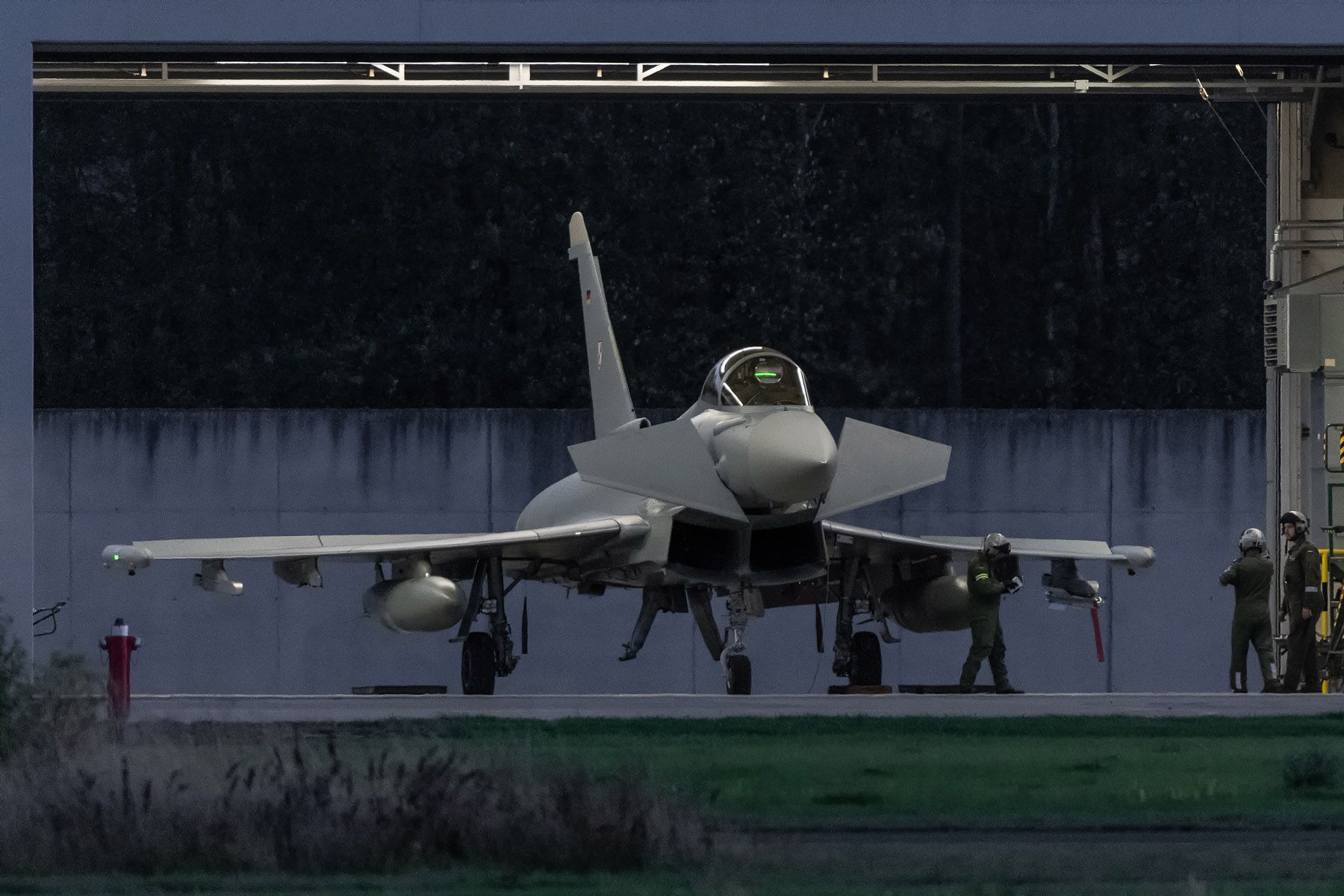
PIRATE IRST
Another system, another consortium. Eurofirst, consisting of Galileo Avionica from Italy, Thales Optronics in the UK and Spain’s Tecnobit company, developed an infrared search-and-track system dubbed PIRATE (Passive Infra-Red Airborne Tracking Equipment). This sensor can be attached to the left forward fuselage and is capable of moving target indication and track-while-scan operation, and multiple targets can be followed, ranged and automatically prioritised. Operated as a regular FLIR, it can also be used as landing aid. The sensor can be slaved to the pilot’s helmet.
All-in-all a valuable addition to Eurofighter, however for budgetary reasons, the Luftwaffe examples are not equipped with PIRATE. Only the IPA test aircraft operated at Manching feature this system as these are not exclusively used for Luftwaffe testing. Luftwaffe’s dual-seat 30+42 was fitted temporarily with PIRATE, but only to serve the Eurofighter trials by Switzerland, the latter evaluating the aircraft for future procurement. The sensor was removed from 30+42 during its next large overhaul and inspection session at Manching.
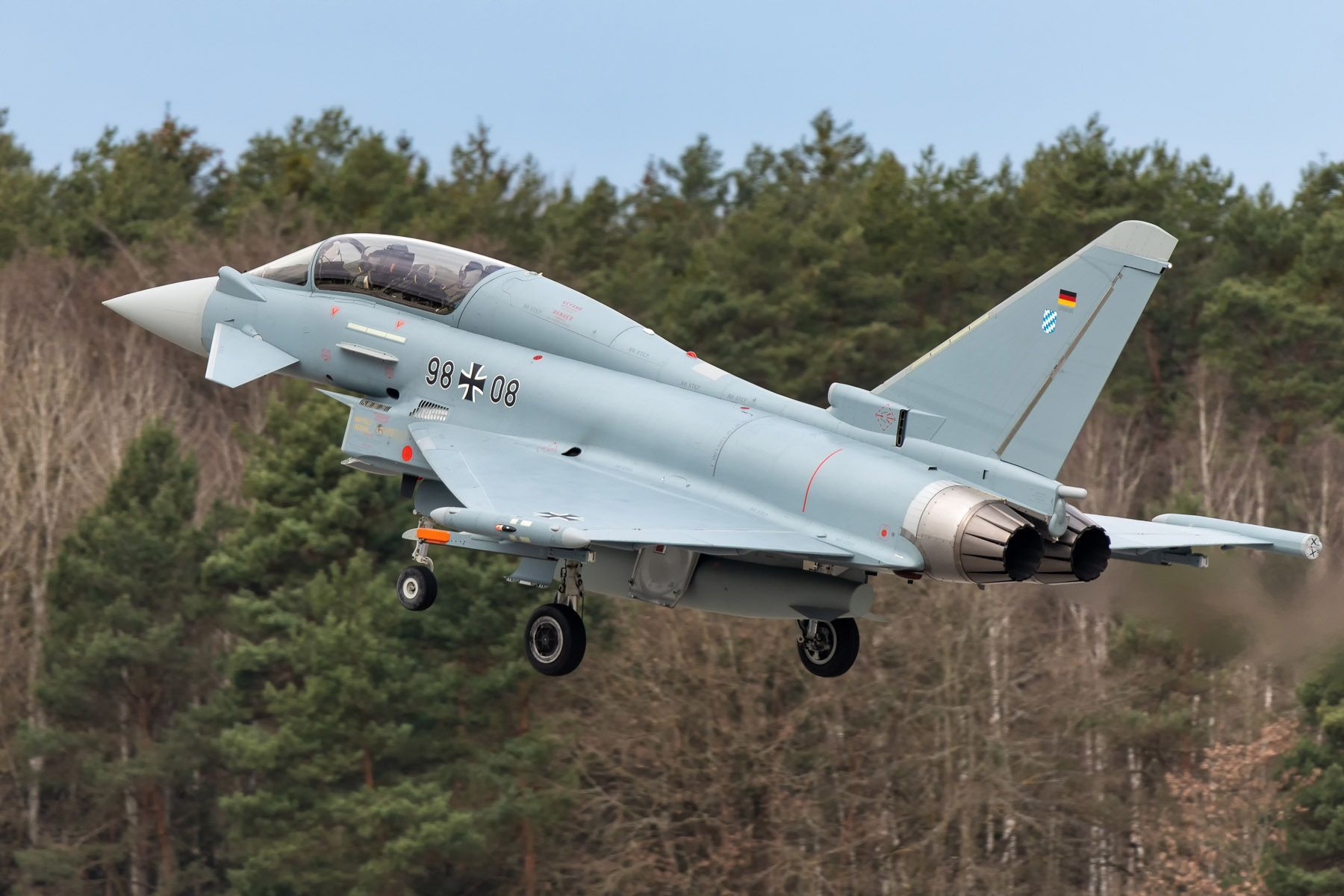
Weapons – air-to-air
For air defence, Germany has several types of missiles available, including the Sidewinder, IRIS-T, AMRAAM and Meteor. Let’s review these.
Sidewinder
For short range use, operations started with AIM-9L/I Sidewinders that also armed the Luftwaffe’s F-4F ICE Phantoms. Even in 2025, Eurofighters were fitted with these on a few occasions, however stocks are probably limited at this stage.
IRIS-T
To replace the Sidewinder, Germany pursued IRIS-T instead of ASRAAM that BAe developed for the UK. This Infra-Red Imaging System – Tail/Thrust Vector-controlled missile is based on the Sidewinder hull. Together with Italy, Germany ordered IRIS-T integration in December 1999 and paid €62 million for the integration part. Following the testing programme, IRIS-T went into service with the Luftwaffe in December 2005. On 22 March 2007 a contract was signed to incorporate IRIS-T digitally into aircraft delivered from Tranche 2 onwards. The last missile was delivered in 2012. In December 2024, the Haushaltsausschuss (Budget Committee) cleared several projects including modernising and life extension for IRIS-T.
AMRAAM
Targets beyond visual range can be take care of with AMRAAM. The AIM-120B was already introduced in Block 2 aircraft, and AIM-120C-5 from Block 5 onwards. In May 2010, Germany sent three Eurofighters to RAF Lossiemouth for an AMRAAM live firing campaign. Involved were two aircraft from Jagdgeschwader 74 (30+23 and 30+28) as well as IPA3 (98+03).
On 20 July 2023 the German government announced plans to acquire 969 AIM-120C-8 for their Eurofighters and F-35As via a foreign military sales (FMS). This whole package including spares is worth US$2.9 billion.
Meteor
The largest step forward in making Eurofighter a highly valuable asset against adversaries is called Meteor. By mid 2012, the three partnering nations UK, Italy and Spain signed a contract to acquire this beyond-visual-range missile, with Germany joining a year later. The first Meteor firing by an Eurofighter (UK’s IPA1 / ZJ699) took place in December 2012. During the Paris Airshow 2013, NETMA and Eurofighter signed a contract to integrate Meteor into Eurofighter; the German part of the deal covered €118 million.
Meteor trials were reportedly completed by early 2016 (conducted with an Italian Eurofighter). However, IPA7 at Manching was also involved in Meteor integration tests, in view of the P2E upgrade programme. Meteor capability was now foreseen to be integrated with P2Eb. The approval for use was finally given late 2020. On 16 April 2021, the Luftwaffe twitters that a milestone is reached by the first Eurofighters ready with P2Eb software standard, thus now allowing Meteor usage. These first upgraded aircraft operated with Neuburg’s Taktisches Luftwaffengeschwader 74.
On 6 December 2024 more successful Meteor live firing trials were conducted from RAF Lossiemouth involving three German Eurofighters: two were armed while a chase Eurofighter captured the event on camera. The firing took place over the Atlantic, and the data gathered was analysed by an integrated team of the Bundeswehr and industry experts.
Germany ordered a first batch of 150 Meteors in 2013 with deliveries between 2016 and 2018. On 11 December 2019 it placed a follow-up order for 100 more, and on 13 November 2024 the acquisition of a third batch of an undisclosed number of Meteors was approved in a deal worth €521 million.
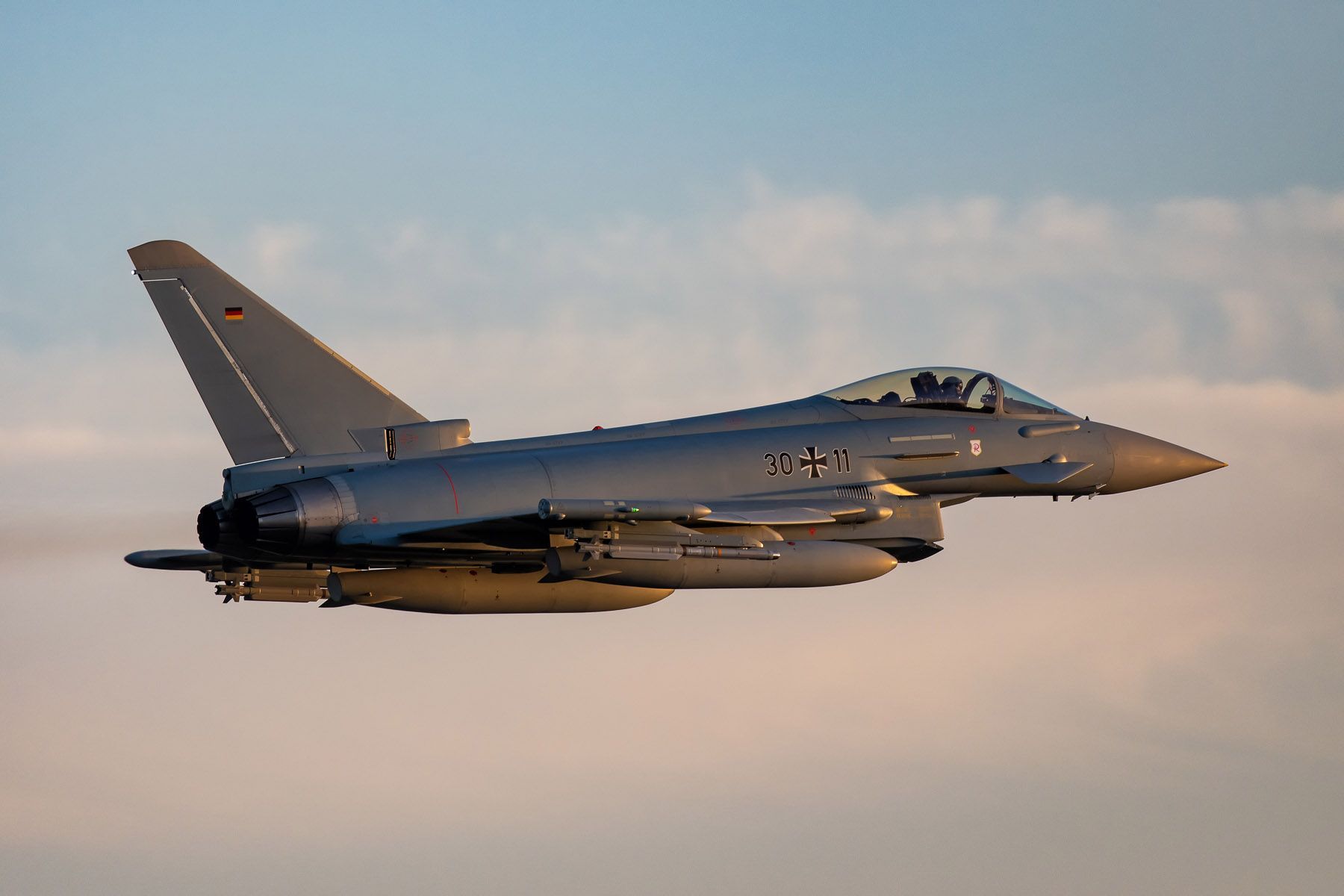
Cleared missile stations for air-to-air missiles are outer pylons 1 and 13 (IRIS-T or Sidewinder), and fuselage stations 5, 6, 8 and 9 (AMRAAM and/or Meteor). Instead of a missile, the aircraft can carry a Flight Profile Recorder (FPR) from Diehl Defence on an outer pylon.
Weapons – air-to-ground
While the air-to-air capabilities for Germany’s Eurofighters are excellent, the strike options have been somewhat limited compared to their British counterparts. Most Luftwaffe Eurofighter units have an air defence background and although all these wings are now theoretically multi-role, it is the Taktisches Luftwaffengeschwader 31 at Nörvenich – a former Jagdbombergeschwader – that focuses the most on air-to-ground tasking. Only after that unit received their Eurofighters in 2009, this role has been gradually taken on, although the weapons of choice selected in October 2008 are still modest.
GBU-48 Enhanced Paveway II
The first live air-to-ground weapon deployment by Eurofighter was conducted by the Spanish Air Force that test-dropped a pair of 1,000lb GBU-16s on 4 and 5 May 2006. To integrate these laser-guided bombs, Germany signed a contract on 22 March 2007. A €25 million deal with Rafael for additional Litening III pods for both Tornado and Eurofighter was signed in December 2007.
Eventually, Germany opted for the Enhanced Paveway II, initially dubbed EGBU-16 but later redesignated GBU-48. Beside laser guidance, an enhanced dual-mode GPS delivery option is added, enabling it to hit a target up to 25km with an accuracy of 10m. Integration for the GBU-48 was ordered for the Luftwaffe in 2013.
In September 2017, the Taktisches Luftwaffengeschwader 31 deployed to Vidsel, Sweden with three aircraft (30+54, 31+35 and 31+39) for the first live drop of a GBU-48 in Luftwaffe service. Following these tests, the BAAINBw officially cleared the Enhanced Paveway II for operational service on 18 December 2017, with a symbolic handover to TLG 31. A Eurofighter could carry up to six of these bombs.
GBU-54
In 2020, approval was reportedly issued to acquire 500lb GBU-54 JDAM (Joint Direct Attack Munition) guided bombs for Luftwaffe’s Eurofighters.
Litening III & RecceLite
On 20 January 2016, the TaktLwG 31 wing at Nörvenich undertook the first operational mission with a Rafael Litening III. This laser designator targeting pod can be coupled with the aircraft’s radar. This way, a target can be identified at a greater range, either visually or by infrared picture.
The Haushaltsausschuss des Deutschen Bundestages (budget committee of Germany’s parliament) allowed the acquisition of new laser designator pods for the Eurofighter (number not disclosed) on 25 June 2025 to replace the older examples. This new version significantly improves target detection capabilities, particularly when targeting moving targets. It also improves Eurofighter’s reconnaissance capabilities. The order is worth €358 million.
For battlefield surveillance purposes, the Rafael Reccelite pod can be carried on the centreline position. The first flight with this system was done by TaktLwG 31 in September 2019, and the establishment for the reconnaissance role for Eurofighter was confirmed on 31 October 2019. Reccelite supplies real-time electro-optical images, and can be operated autonomously so that the pilot can focus on the actual mission.
Taurus
Integration of the Taurus KEPD 350 air-launched cruise missile has been a lengthy issue. Already on 14 January 2014, IPA7 (98+07) flew with two of these for integration tests. However, KEPD 350 integration is still no part yet of any running Phase Enhancement programme. Having said that, Taurus should be included in P4E, planned for 2028/2029. Meanwhile, some additional Taurus trial flights were conducted in July 2026 by the Nationales Test und Entwicklungszentrum Eurofighter at Manching.
Despite these delays, the Haushaltsausschuss (Budget committee) cleared several projects in December 2024 including modernising and life extension for Taurus.
Brimstone
The MBDA UK Brimstone ground attack missile can be broadly fired to a target point, either specific coordinates or a pilot-created waypoint, a radar track or a laser designator pod track. For the last portion of its flight, the active seeker head takes over. In case of a salvo, algorithms should take care that every Brimstone selects another target.
Brimstone was selected for the Luftwaffe around 2016, with first deliveries planned for 2019. However, like several other projects, this was delayed.
In preparation of the integration of Brimstone, IPA7 (98+07) flew with these missiles on 26 March 2021. Brimstone will become available with the P3Eb upgrade.
On 26 June 2024 an order for 378 Brimstone 3 missiles was approved in a deal worth €376 million, as part of a framework agreement that could eventually cover some 3,200 missiles. Deliveries should start in 2028, and the package includes training missiles.
Cannon
A 27mm Mauser BK 27 cannon is installed on the starboard side. The cannon’s ‘exit’ is covered by a composite cover to prevent foreign objects to enter and damage the weapon. The pilot can simply shoot through it when needed, however for practice strafing missions the cover is temporarily removed.
Apparently, the cannon’s use has not always been satisfactory, according to experiences by RAF crew that conducted missions over Syria against ISIS.
Electronic warfare
The latest expansion of Luftwaffe Eurofighter roles is electronic warfare. Details of this system will be placed here at a later stage. For now, more information on this topic can be found in the acquisition section.
General data
To conclude this section, here is some general data to save a wikipedia search.
Eurofighter measures 15.96m in length and 5.28m in height. The span width is 10.95m while the wing area covers some 50m2.
With a basic empty weight of 11t, its maximum take-off weight is 23.5t. It can get airborne in less that 8 seconds from standstill (less than 700m take-off run required), and has a maximum speed of Mach 1.25 at sea level, or Mach 2.35 at altitude according Luftwaffe’s website. The maximum load factors are +9g and -3g.
The Structural Health Monitoring System (SHMS) monitors various parameters and limitations. Although the Eurofighter is designed to operate up to 6,000 flying hours, the SHMS could identify issues that influence the end-of-life date. ■